Influencer Marketing · 11 min read
Creator portfolio vs a media kit: when to send each
A portfolio shows the work. A media kit answers niche, deliverables, and rates. Send the one that matches the question a Philippine brand actually asked.
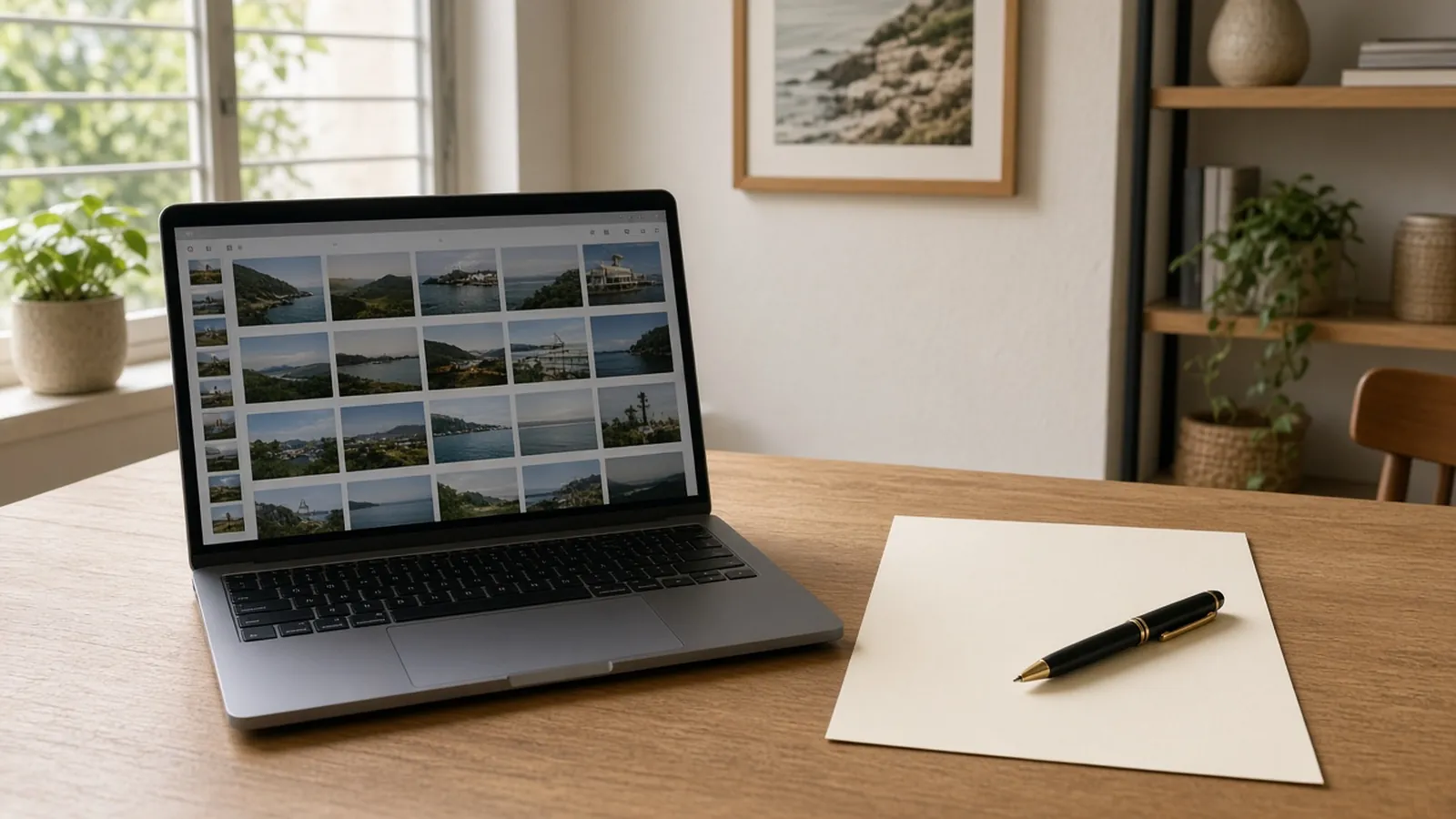
You need an online portfolio to prove you can make the work, and a media kit to answer whether a brand can book you. The portfolio is the selected videos and photos. The kit is the short page with your niche, platforms, deliverables, and current rates. Send the portfolio when someone asks to see the work. Send the kit when someone asks for your info, your rates, or a pitch.
The longer path is the influencer starter guide. The media kit guide is the build sheet for the kit itself. This page is only the choice between the two documents. When both are ready, put them on a talent profile instead of keeping the only copy in a chat thread.
TL;DR: A portfolio answers “can this person make the content?” A media kit answers “what do they offer, and how do we reach them?” Philippine creator guides describe them as different documents. Use practice work in the portfolio if you have no paid clients yet, label it as practice, and leave rates out of the gallery.
Key facts checked on 10 November 2026
- Collabz.ph, dated 5 March 2026, calls a portfolio a curated highlight reel and a media kit a one-page summary with niche, platforms, audience stats, sample links, and rates.
- The same page says samples are the individual pieces, and that spec content for products you already own can start a portfolio before a paid job.
- Flare, updated 17 March 2026, separates the portfolio (proof of the work) from the media kit (the hiring details a buyer needs).
- Neither page is a rule for every Philippine brand. Read the brief you were actually sent.
Why do brands ask for two different things?
A buyer who has never seen your content needs evidence of the craft. A buyer who is already interested needs the terms. Those are different moments, and they fail in different ways.
Collabz.ph, writing for creators in the Philippines, splits the materials into three layers. Samples are single pieces, such as one video or one product photo. A portfolio is the best of those pieces, edited into a reel that shows range. A media kit is a one-page summary: niche, platforms, audience stats, sample links, and rates. Collabz calls the kit a business card for brands.
Flare’s comparison, updated 17 March 2026, uses the same split for UGC. The portfolio is there so someone can judge the editing, the product handling, and the formats. The media kit is there so someone can see who you are, what you deliver, and how to book you without opening a long gallery. Flare’s practical test is simple: if the file is all samples and no rates, it is a portfolio. If it is all rates and almost no work, it is not yet a portfolio.
You do not have to adopt either site’s template. You do have to stop using one file to do both jobs badly. A twenty-slide deck of videos with no deliverables makes a busy buyer hunt. A rate card with no examples makes them guess what you shoot. Keep the jobs separate even if you later staple a short gallery to the back of the kit.
What goes in the portfolio, and what stays out?
The portfolio is proof. Collabz says it should show range, a niche, and that you are still making work, and that a small set of strong pieces is more useful than a large set of similar ones. It suggests starting, if you have no clients, with content for products you already own: a short talking video, a voiceover with product footage, a demo, a problem-and-result clip, and a simple photo set. Label that work as practice or spec. Do not add a brand name you were not hired by.
Flare says a useful UGC portfolio is a tight edit, not every file you have exported, and that spec work is acceptable when it is obviously a sample. Use that as a editing principle. Cut pieces that need an excuse. Cut near-duplicates. Cut a look you no longer want to be hired for.
For a Philippine creator, the practical set is whatever matches the jobs you want:
- one short video in the format you hope to be booked for;
- one clip where a product is actually handled, if you offer that;
- one still or set that shows lighting and framing you can repeat;
- one piece in your niche, so a food brand is not staring at a gadget review;
- one recent piece, so the page does not look abandoned.
Say what each piece is. “Paid post, March 2026, I shot and edited” is different from “practice, product I bought, not a client.” Captions like that are how you stay hireable without inventing a campaign.
Leave these out of the public portfolio: government IDs, home addresses, unpublished client drafts, and raw folders. A share link should open the finished samples, not your camera roll. If a brand needs a private cut, send that file on purpose. Do not widen the link.
Photographers and models already have their own edits. A photography portfolio is judged on the pictures you deliver for clients. A model comp card is a different one-page casting tool. Do not paste a creator media kit into either of those and call it done. The hiring question is different.
What goes in the media kit?
The kit is the page a brand can forward. Collabz’s one-page list is a name and niche, platforms and audience size or engagement, a few sample links, package options and rates, and a contact. Flare’s list is the same idea in more operational words: a one-sentence description, the niches, the deliverables and turnaround, a starting rate or package, any real brand work, and a way to reply.
Build that page from facts you can point to. If you mention followers or an engagement figure, name the screen it came from and the week you checked it. The media kit guide walks through that discipline. This article will not repeat it. If you do not have a figure, leave the line out. An empty honest kit is safer than a precise number you cannot explain.
Shopify’s media-kit article, dated 21 April 2023, describes the kit as a short PDF or web page, often one or two pages, and notes that people disagree about printing rates: some want them upfront, some want to negotiate first. Collabz and Flare both put rates or packages on the kit. You can follow either habit. You cannot follow both in the same line. If the rate is not on the page, the page has to say that you quote from a written brief.
Rates belong on the kit, or on a line that says you quote from a brief. They do not belong as a watermark on every portfolio video. The pricing guide is how to describe a unit of work, usage, and what is excluded. A kit that says “DM for rates” and also refuses to describe the deliverable makes the buyer do your job.
Keep the kit short enough to read on a phone. Collabz calls it one page. Flare says one to two pages, with any extra samples kept as a small gallery rather than a second showreel. Update the file when the examples or the rates change, and date it. A kit from last year with this year’s prices is two documents glued together.
When do you send the portfolio, the kit, or both?
Match the document to the sentence in the message.
Send the media kit when a brand asks for your media kit, your rates, your packages, or “your info” in a first reply. Flare’s advice for that ambiguous line is to lead with the kit because it answers the booking questions first. You can offer three sample links in the same email so they are not stuck.
Send the portfolio when they ask for examples, a reel, or work like the brief they attached. Pick samples that match the brief. A skincare brand does not need your travel set first. Collabz’s point on niche pieces is there for this moment.
Send both, in that order, when you are writing to someone who did not ask. A short kit, then a handful of links, is enough. A zip of forty files is how a pitch gets closed.
Do not send either document to a message that will not name the brand, the product, or the use of the content. Ask what they want produced and where it will run. The pricing guide’s rule applies here: a vague “collab” does not get your lowest number or your whole archive.
If you are applying to a job listing, follow the listing. Some ask for a profile link. Some ask for three links. Open jobs on Idol are read against the profile you submit, so the profile has to contain the samples and the contact path the poster asked for. A beautiful PDF that the form cannot accept does not help.
Can one link replace the two files?
Yes, if the link is organized. Collabz describes a profile that holds the work and points at the kit. Flare describes a hybrid PDF that leads with one or two kit pages and then three to five pieces. Both are ways to stop the “can you also send examples?” delay. The order matters. Rates and deliverables first, proof second, or clearly separated sections so a reader can skip to either.
An Idol profile can be that link if you treat it the same way. Put the samples a buyer should judge. Put the formats you sell. Put a city. Do not upload every story you have ever filmed. The influencer guide is where to decide the niche those samples serve. The profile is not the strategy. It is the place the strategy becomes visible.
Check the link on a phone before you send it. Broken video, a login wall, and a file that asks the brand to “request access” all end the review. If you use a PDF, export a copy you can still open in six months, and keep the master somewhere you can update without emailing a new mystery filename.
What should you not claim while you are still new?
Practice work is allowed. Fake work is not. Collabz is explicit that spec content is for products you own or for a collaboration you agreed, and that usage still needs to be agreed before you start. If a small brand lets you make a video in exchange for the product or the right to show the result, write that down. Then you may call it a collaboration. You may not call it a national campaign.
Audience numbers have the same rule. If you have not opened the platform’s own analytics, do not type a reach figure into the kit because a template had a blank. Flare mentions social proof as something you include when you have it. Absence is not a zero you get to decorate.
A photographer who also creates short video should not merge the two portfolios into one unlabeled feed. The photography portfolio guide tells photographers to lead with the niche they want to be hired for. A creator who wants UGC bookings should lead with UGC. You can keep a second gallery. You should not make the buyer sort it.
What do you do this week if you only have one of them?
If you only have samples, you have the start of a portfolio. Cut it to the pieces you would reshoot tomorrow, label anything unpaid, and put it behind one link. Then write a half-page kit: who you are, what you make, where you are, two sample links, and either a real rate or a sentence that you quote from a written brief. That half page is enough to answer a first message.
If you only have a rate card, you have the start of a kit. Add the proof. Three current pieces will do more than another paragraph about your passion for content.
Then stop maintaining five versions. One portfolio link, one kit, and a profile that points at both, is a system you will still update in March. A new deck for every brand, with new numbers each time, is how the documents drift apart.
Frequently asked questions
What is the difference between a portfolio and a media kit?
A portfolio is a curated set of work that shows how you make content. A media kit is a short summary of your niche, platforms, audience notes, sample links, and rates. Collabz.ph describes the kit as the one-page business card and the portfolio as the highlight reel.
Do I need both if I have no brand deals yet?
You can start with a portfolio of clearly labeled practice pieces, then add a short kit once you can describe your formats and a real rate. Do not invent past clients or audience numbers to fill the kit.
Which one do I send when a brand says “send your info”?
Send the media kit first if they are asking whether a booking is possible. Send the portfolio, or a few links from it, when they ask to see the work. If you are unsure, lead with the kit and offer examples.
Can one profile hold both?
Yes. A profile can show selected work and a short pitch side by side, as long as samples stay labeled and any audience figure has a source and a date. Keep raw files and identity documents out of that link.
How is this different from a photographer or model portfolio?
A photographer portfolio shows how you shoot and deliver. A model portfolio shows how you look on camera. A creator portfolio shows the content you can make. The media kit, in each case, is the short page about terms and fit, not the gallery.